The Academic Confidence Crisis: Why Masters Students Question Their Intellectual Worth Despite Previous Success

The Paradox of Postgraduate Self-Doubt
Across UK universities, a troubling pattern emerges in Masters programmes: students who achieved first-class honours suddenly question their fundamental intellectual capacity. This phenomenon extends beyond typical academic adjustment difficulties, manifesting as a deep-seated belief that admission was somehow an error or that peers possess inherently superior capabilities.
The transition from undergraduate to postgraduate study creates unique psychological pressures within the British academic system. Unlike undergraduate programmes where students progress through structured pathways with familiar cohorts, Masters courses thrust high achievers into environments where everyone previously excelled. This concentration of academic talent paradoxically triggers profound self-doubt rather than inspiring confidence.
The Elite Institution Shadow
UK postgraduate programmes frequently attract students from diverse academic backgrounds, creating an unspoken hierarchy that amplifies impostor feelings. Students from regional universities often feel intellectually inferior when studying alongside Russell Group graduates, despite achieving comparable academic standards within their respective institutions.
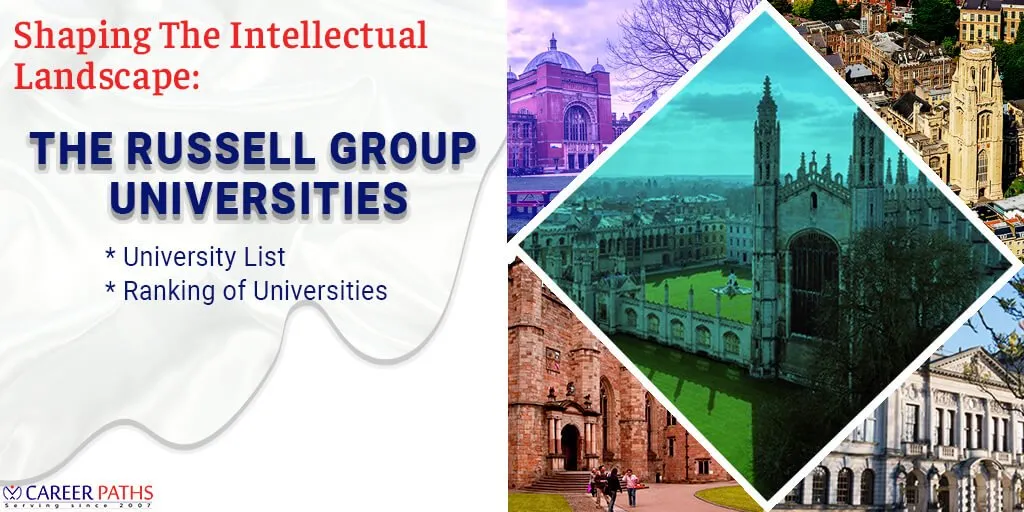 Photo: Russell Group, via careerpaths.com.bd
This perception persists even when regional university graduates demonstrate superior practical knowledge or analytical skills. The cultural weight of institutional prestige within British academia creates psychological barriers that transcend actual academic performance. Students begin questioning not just their preparedness, but their fundamental right to occupy academic spaces traditionally associated with educational privilege.
The problem intensifies when lecturers inadvertently reinforce these hierarchies through casual references to 'obvious' concepts or assumed prior knowledge. What appears as natural academic discourse to faculty becomes evidence of inadequacy for students already struggling with confidence.
The Silence of Assumed Competence
Postgraduate environments operate on assumptions of academic maturity and independence that can isolate struggling students. Unlike undergraduate settings where support-seeking is normalised, Masters programmes expect students to navigate complex theoretical frameworks and research methodologies without explicit guidance.
This culture of assumed competence creates a double bind: students need support but fear that requesting help will expose their perceived inadequacy. The result is academic silence, where capable students suffer privately rather than engage with resources that could enhance their performance.
Lecturers often misinterpret this silence as confidence or understanding, creating feedback loops that reinforce student isolation. When everyone appears to comprehend complex concepts effortlessly, individual struggles feel like personal failings rather than normal learning processes.
The International Student Dimension
International students face additional layers of impostor syndrome within UK postgraduate programmes. Beyond academic adjustment, they navigate unfamiliar educational cultures while questioning whether language barriers or cultural differences mark them as less capable scholars.
These students often possess exceptional academic credentials from their home countries but struggle to translate this competence within British academic conventions. The resulting self-doubt affects not just academic performance but fundamental identity as scholars and intellectuals.
Cognitive Reframing for Academic Recovery
Overcoming postgraduate impostor syndrome requires targeted psychological strategies adapted to UK academic contexts. Students must recognise that admission decisions reflect genuine academic potential rather than administrative errors or diversity quotas.
Developing evidence-based self-assessment becomes crucial. Students should maintain detailed records of academic achievements, positive feedback, and intellectual growth throughout their programmes. This documentation provides concrete evidence against impostor feelings when self-doubt emerges.
Reframing peer comparisons proves equally important. Rather than viewing classmates as competition or evidence of personal inadequacy, students should recognise diverse academic backgrounds as enriching learning environments. Each student contributes unique perspectives and expertise that enhance collective understanding.
Practical Strategies for Academic Confidence
Successful confidence building requires active engagement with academic communities rather than isolation. Students should seek study groups, participate in departmental seminars, and engage with faculty during office hours. These interactions normalise academic struggle while providing evidence of intellectual belonging.
Developing growth mindsets becomes essential for postgraduate success. Students must view challenging concepts as learning opportunities rather than evidence of inadequacy. This perspective transforms academic difficulties from personal failings into normal aspects of intellectual development.
Seeking targeted academic support through university writing centres, research skill workshops, and peer mentoring programmes provides practical assistance while normalising support-seeking behaviour. These resources exist specifically because postgraduate study presents genuine challenges for all students, regardless of background or ability.
The Path Forward
UK universities must acknowledge the psychological dimensions of postgraduate transition while students develop resilience strategies for academic confidence. Recognition that impostor syndrome affects high-achieving students across all backgrounds helps normalise these experiences while encouraging appropriate support-seeking.
The journey from undergraduate success to postgraduate confidence requires time, patience, and strategic psychological work. Students who address these challenges directly often discover that their initial academic instincts were correct: they do belong in advanced academic environments and possess the intellectual capacity for postgraduate success.
Academic confidence at Masters level develops through experience rather than assumption. By engaging actively with academic communities and reframing self-doubt as normal learning processes, students can transform impostor syndrome from a barrier into a catalyst for deeper intellectual growth and academic achievement.